Traditional Pakistani Achar. The Taste Our Grandmothers Never Wrote Down
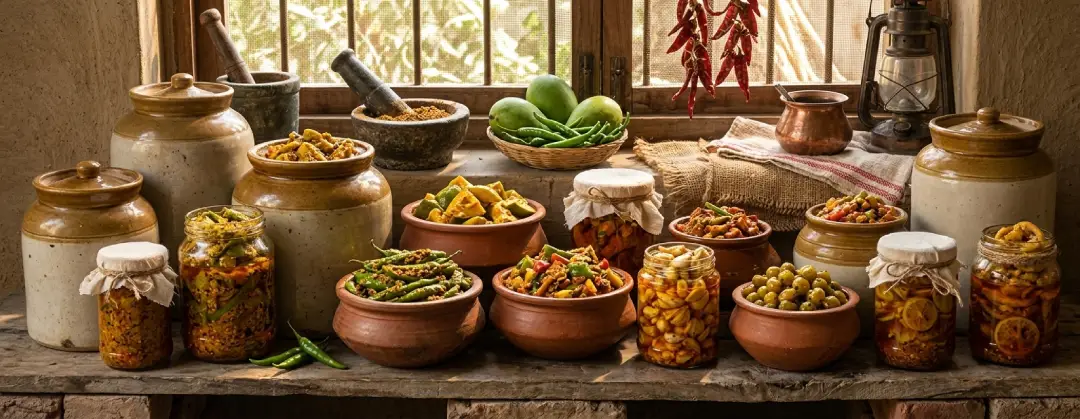
Ask anyone who grew up in a Pakistani home about achar, and they won’t describe a condiment. They’ll tell you about a specific jar maybe the one their nani kept on the highest shelf, or the smell of mustard oil that filled the whole house every June when the mangoes came in. That’s the thing about achar. It’s never just pickle. It’s a memory with a lid on it.
This is not another recycled “top 10 tips” article.It’s a look at what makes achar traditional in the first place. How its really made, where most people go wrong and what sets a good jar apart from one that just looks good.
What Actually Makes Achar Traditional
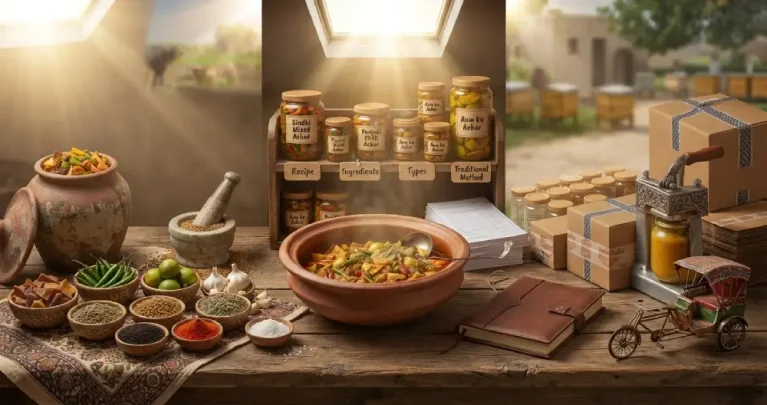
Traditional Pakistani achar is made from fruit, vegetables or sometimes meat. It’s preserved in mustard oil and salt then left in the sun until the spices and oil slowly do their job. No vinegar, no shortcuts. No factory-made timelines. That’s the definition. Everything else is variation.
Mango achar gets the attention and that’s fair.. Lemon achar, mixed vegetable achar and garlic achar are every bit as common on a Pakistani table. Each one connects to a season and usually to a familys version. Some families guard their recipes like treasures.
Why Store-Bought Rarely Tastes the Same
Achar’Homemade achar in Pakistan tastes different from what you buy off a shelf, and it’s not nostalgia talking. It comes down to oil and time. A lot of commercial pickle swaps mustard oil for cheaper refined oil because it’s less pungent and easier to produce at scale. Fermentation gets shortened for the same reason. The flavor ends up flatter, more one-note, missing that sharp edge mustard oil gives.
Homemade achar is also inconsistent one jar sharper than the last, one batch a little saltier. That’s not a flaw. That’s what actually tells you it wasn’t made on a production line.
The Ingredients You Actually Need
DepenA proper Pakistani achar recipe doesn’t need a long shopping list. It needs the right ingredients, fresh:
- Raw mango, lemon, or seasonal vegetables
- Mustard oil (sarson ka tel) not refined, not blended
- Rock salt or sea salt
- Red chili powder
- Methi dana (fenugreek seeds)
- Rai (mustard seeds)
- Saunf (fennel seeds)
- Kalonji (nigella seeds)
- Turmeric
- Garlic and ginger
If the spices have been sitting in a jar for a year, or the “mustard oil” is mostly filler, the recipe won’t matter. Fresh, honest ingredients do most of the work before you even start.
How Traditional Pakistani Achar Is Made, Step by Step
People often ask how traditional Pakistani achar is made, expecting a complicated list. It’s not complicated all. It just needs time. The kind of time most modern recipes don’t allow.
Wash and dry completely. Any leftover moisture invites mold. So skip this step. You’re taking a risk.
Cut evenly. Uneven pieces absorb spices unevenly. Some will be too salty others barely tasted.
Salt it. Salt pulls moisture out. Starts the preservation process right away.
Mix the spices. A short roast in a pan wakes up the oils in the spices. They’re not just sitting there. They’re active.
Pour in mustard oil until every piece is fully submerged. This step matters more than people think. Air exposure means spoilage.
Sun-cure, for one to three weeks. Stir every day so the cure spreads evenly.
Seal and store somewhere. Dry once it’s matured.
Mistakes That Ruin a Perfectly Good Batch
- Using fruit that’s still a bit wet, or overripe
- Rushing or skipping sun-curing altogether
- Not enough oil, so pieces poke out and spoil
- Storing jars somewhere humid
- Using a metal spoon, which reacts with the spices over time
Types of Achar Worth Knowing
- Mango achar: The one most people mean when they say “achar”
- Lemon achar: Sour, sharp, and keeps almost indefinitely
- Mixed vegetable achar: Carrot, turnip, cauliflower, sometimes green chili
- Garlic achar: Strong, a bit medicinal in the best way
- Meat achar: Less common now, heavier, and honestly underrated
Why People Choose SM Desi Products
CSM Desi Products doesn’t take shortcuts most sellers take without telling you. Cold-pressed mustard oil, spices ground by hand rather than machine-blended in bulk, and full sun-curing — no accelerated fermentation, no shortcuts to hit a delivery deadline. Batches stay small on purpose, because that’s the only way to keep every jar consistent.
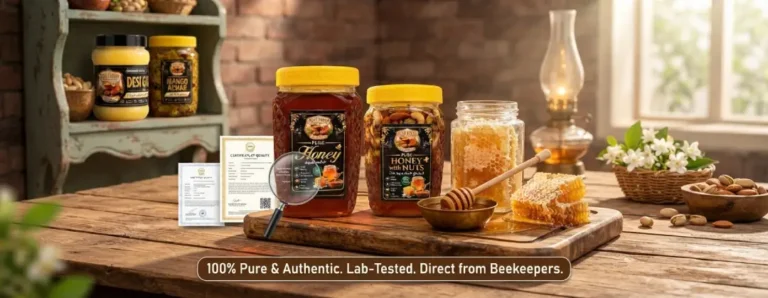
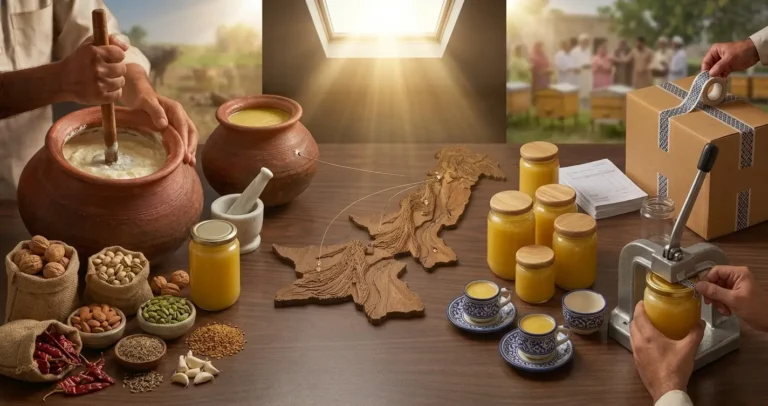
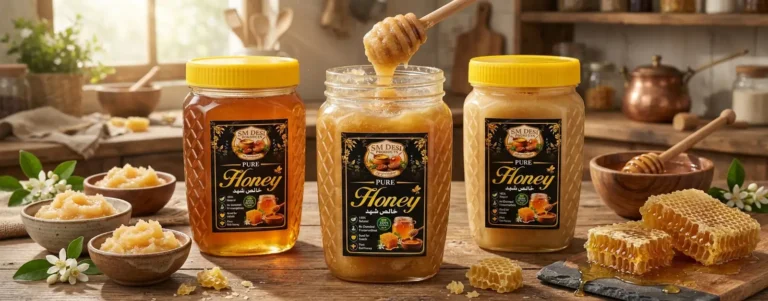
Beyond achar, SM Desi Products also makes pure desi ghee, natural honey, and homemade panjeeri the same standard applied across the board.
What You Actually Gain From Eating It
Storage keeps the quality where it should be.
FollowNaturally fermented, which is easier on digestion than most people assume
No artificial preservatives when it’s made the traditional way
Carries a meal on its own less need for extra oil or salt at the table
Makes a plain daal-chawal or roti-sabzi feel like an actual meal
Keeps a piece of Pakistani food culture on the table, not just in memory
Our Process
- Sourcing produce fresh and in-season, directly from growers we trust
- Selecting spices by hand for aroma, not just appearance
- Using cold-pressed mustard oil in every batch
- Sun-curing fully, with no shortcuts on time
- Packing into food-safe jars and shipping across Pakistan
Frequently Asked Questions
What actually makes Pakistani achar different from other pickles?
Mustard oil and natural sun fermentation instead of vinegar. That’s the core difference, and it’s why the flavor is so much stronger.
How long does homemade achar actually last?
If it’s properly submerged in oil and stored right, six months to a year isn’t unusual.
Why mustard oil specifically?
It preserves naturally and gives achar its sharp, unmistakable flavor refined oil just doesn’t do the same job.
Can you skip sun-curing and still call it traditional?
You can skip it, but you’ll lose depth of flavor and shelf life. It’s not really the same product anymore.
Is homemade achar actually healthier than store-bought?
Generally, yes traditional recipes rely on salt, oil, and spices to preserve, not artificial additives.
What’s the best fruit for mango achar?
Raw, firm, and slightly underripe mango holds its texture and gives the right tang.
How should you store achar once it’s opened?
Cool, dry place, and always use a dry spoon moisture is the enemy here.
Does traditional achar contain preservatives?
No, not the artificial kind. Salt, oil, and spice do that job on their own.