
Traditional Panjeeri Pakistan: The Winter Sweet That Never Goes Out of Style
Almost everyone who grew up in Pakistan remembers panjeeri. Usually it was mother or nani in the kitchen every winter. The house would smell of roasted ghee and almonds all day.
Traditional Panjeeri is not hard to understand. But making it right takes time.Most people don’t have that kind of time anymore. This page tells you what panjeeri is, why people eat it in winter what goes in it how its made and how you can buy it online of making it yourself.
What Is Traditional Panjeeri
Panjeeri is a traditional sweet. It’s made from roasted sooji, cooked in desi ghee. Dry fruits, seeds, and often gond (edible gum) get mixed in. It’s dense and a bit grainy. The flavour comes from roasting everything properly.
Most desi sweets are just for dessert. Panjeeri is different. Families give it to new mothers after childbirth. Kids eat it in winter. It’s more of a functional food than a treat.
The name comes from Punjabi. Every family makes it a little differently. But the base stays the same: sooji, ghee, and dry fruits, cooked slowly.
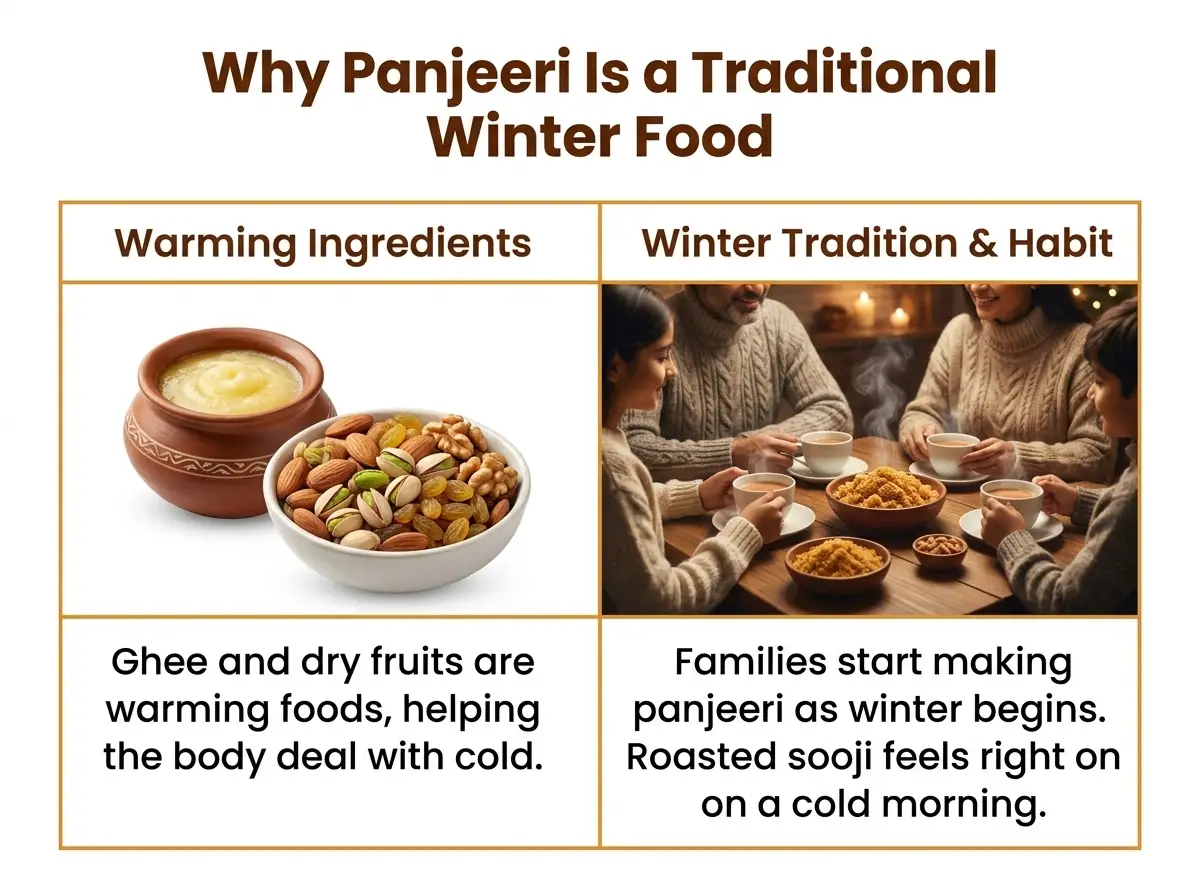
Why Panjeeri Is a Traditional Winter Food
Nobody makes panjeeri in the middle of summer. There’s a reason.
Ghee and dry fruits are seen as warming foods in Pakistani tradition. They help the body deal with cold weather. A bowl of roasted sooji in ghee feels right with tea on a cold morning. In summer, it just feels heavy.
There’s also a habit around it. A lot of families start making panjeeri as soon as winter begins. Nobody decided this on purpose. It’s just always been that way.
What Goes Into Panjeeri
The basics don’t change much, even if amounts do.
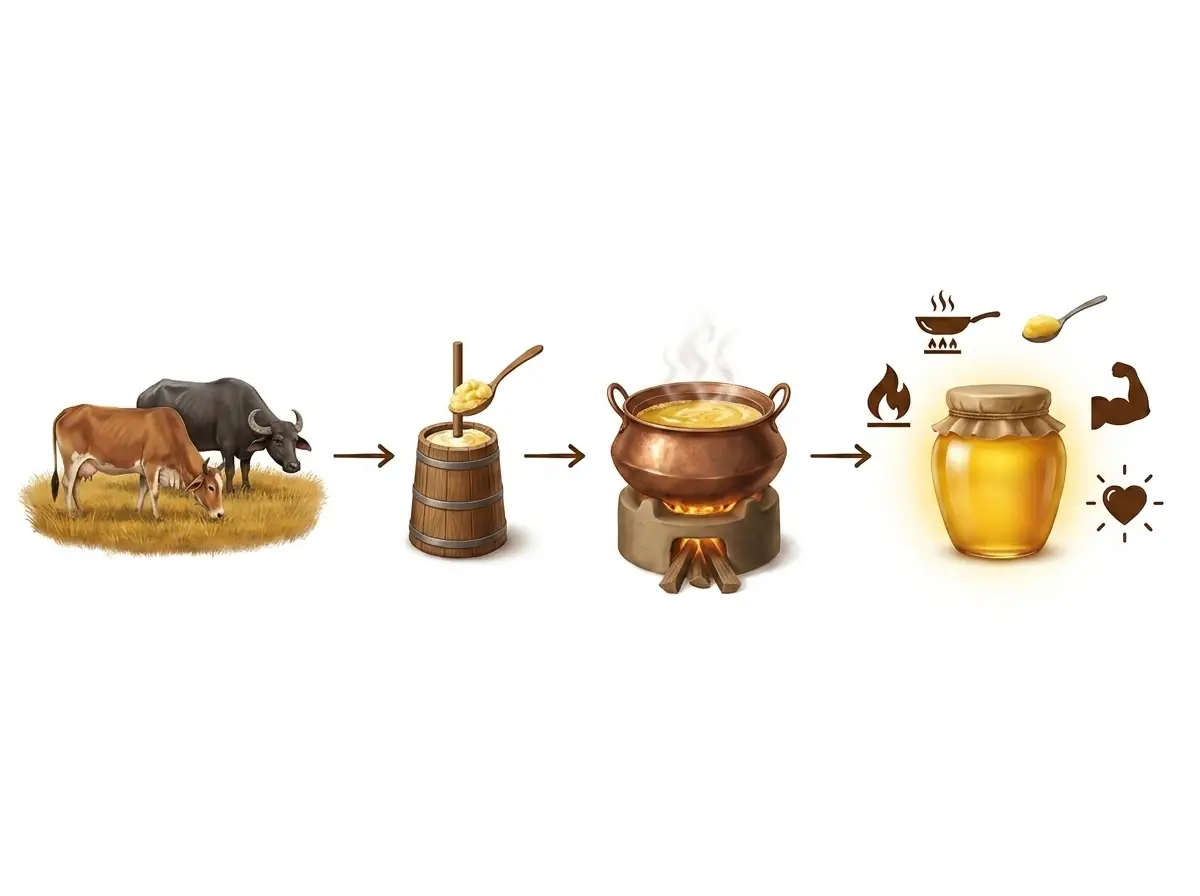
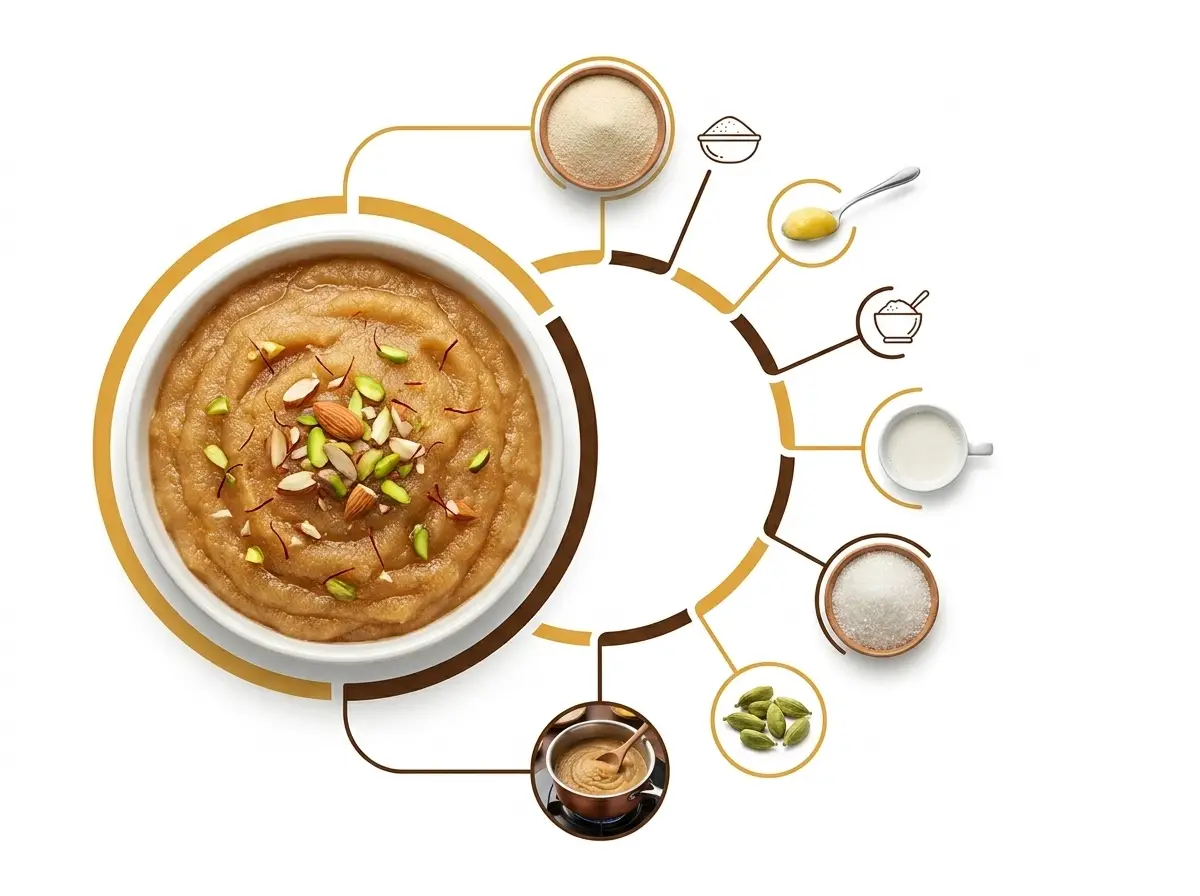
Desi Ghee
Desi ghee is what everything cooks in you really can’t skip this part.
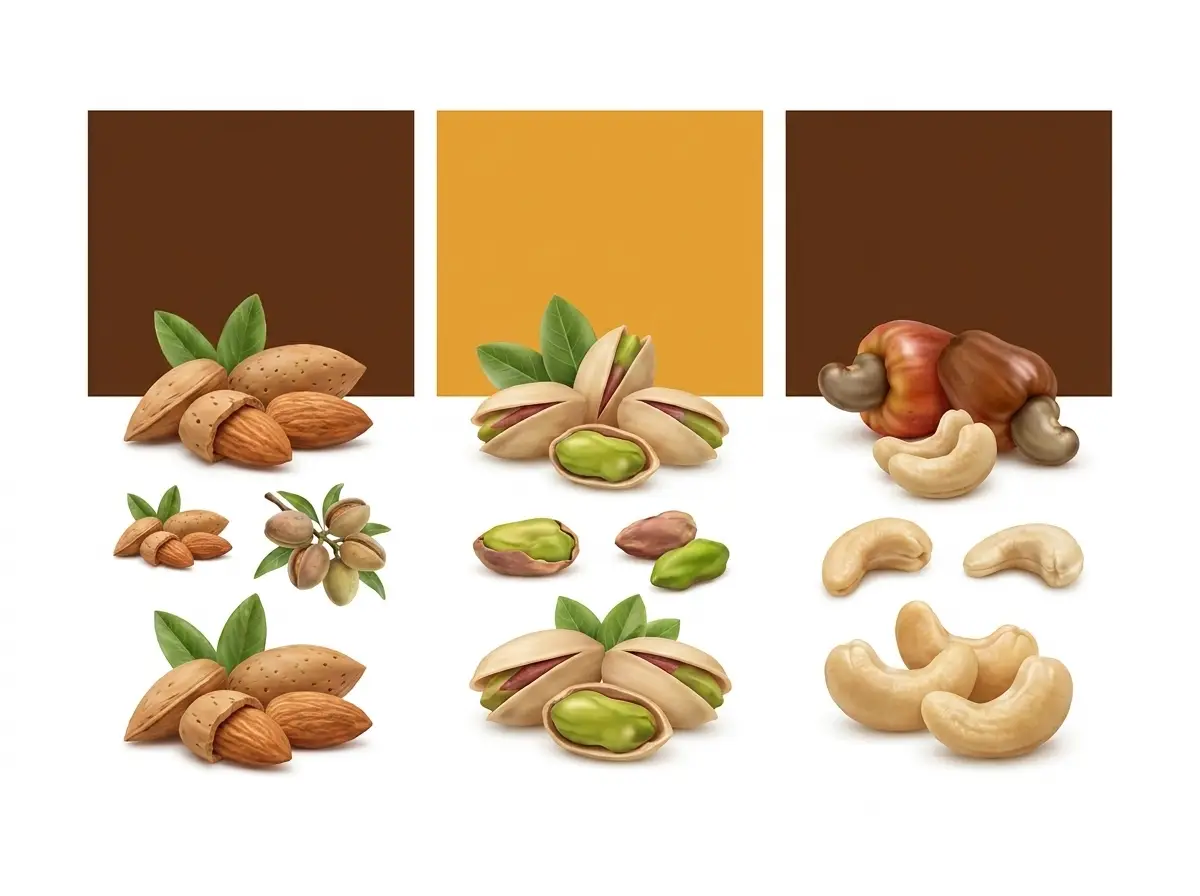
Almonds, Pistachios & Cashews
Almonds, pistachios and cashews go in for crunch.
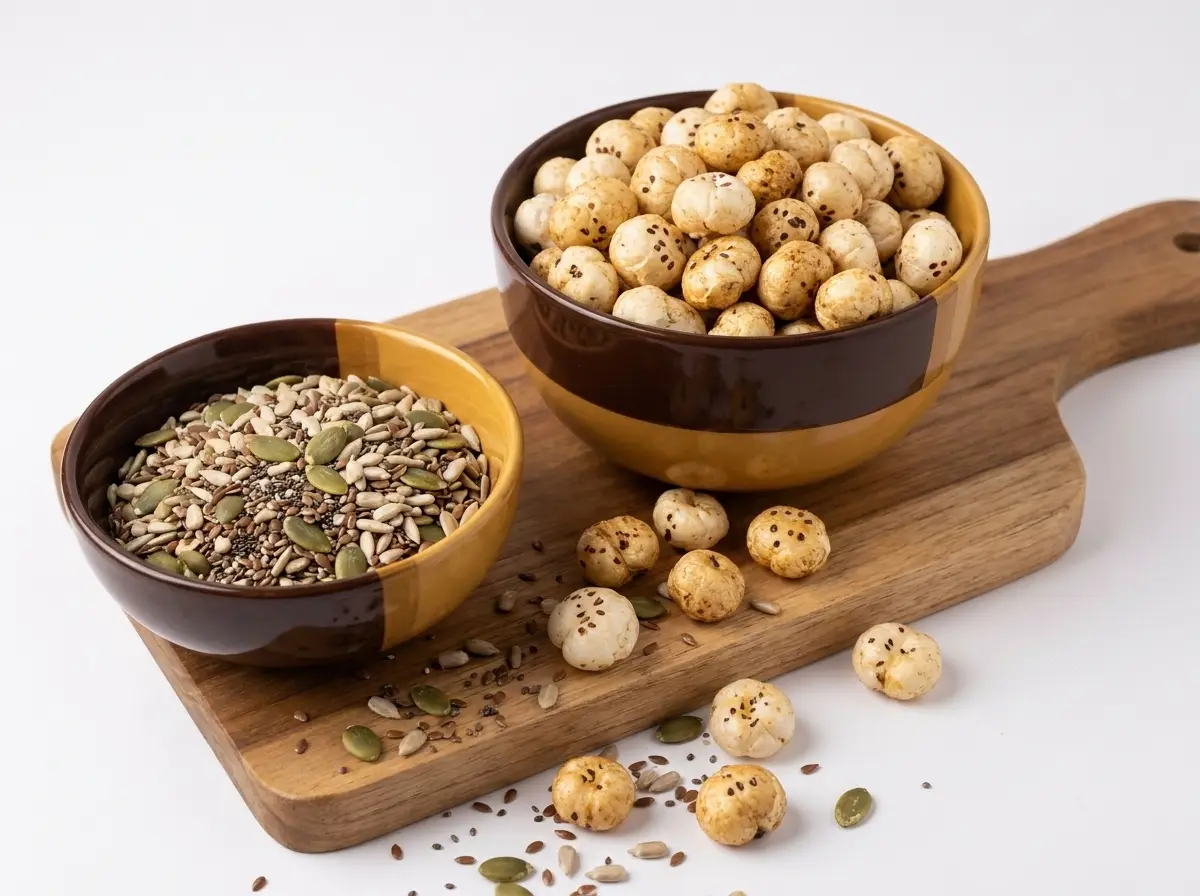
Makhana & Seeds
Some families add makhana or seeds too like melon seeds or sesame.
Sooji
Sooji is the base. It gets roasted till golden.
Sugar or Jaggery
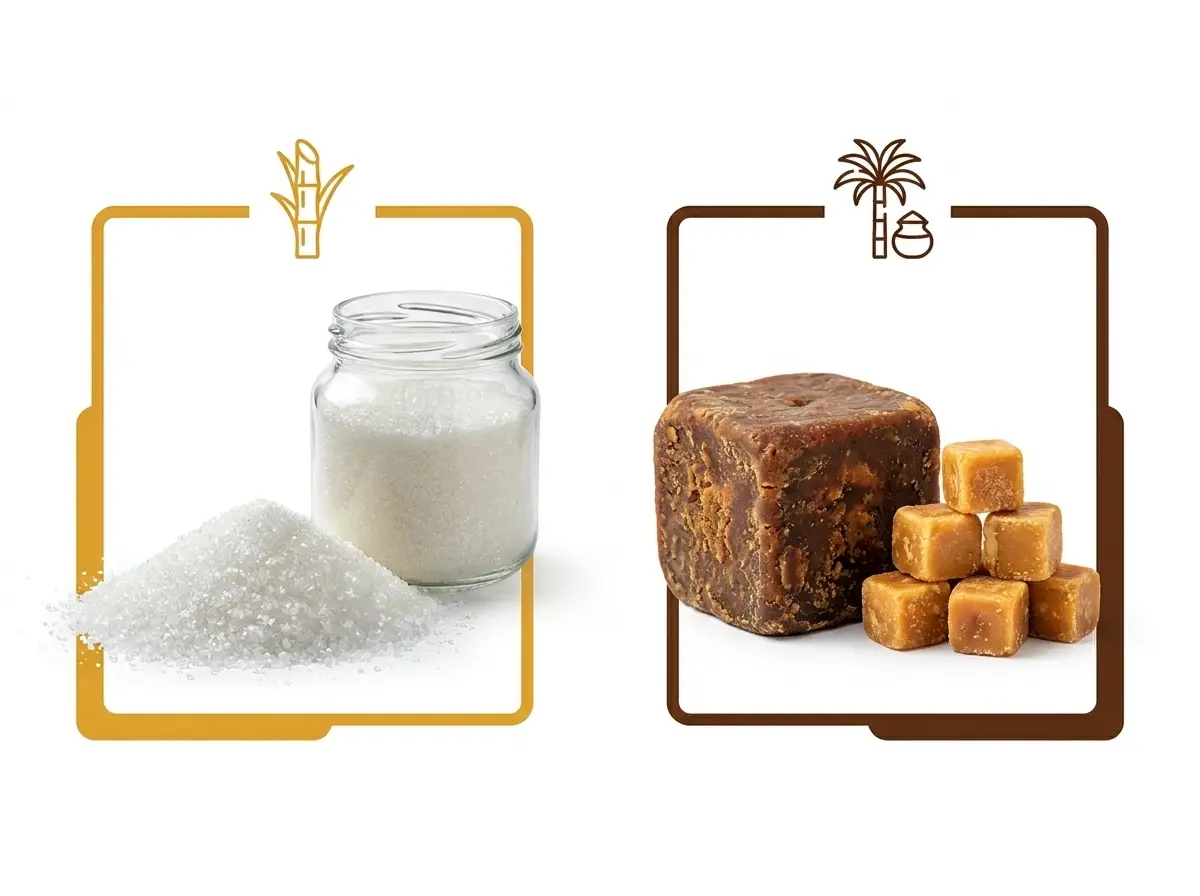
Sugar or jaggery goes in for sweetness.
Cardamom
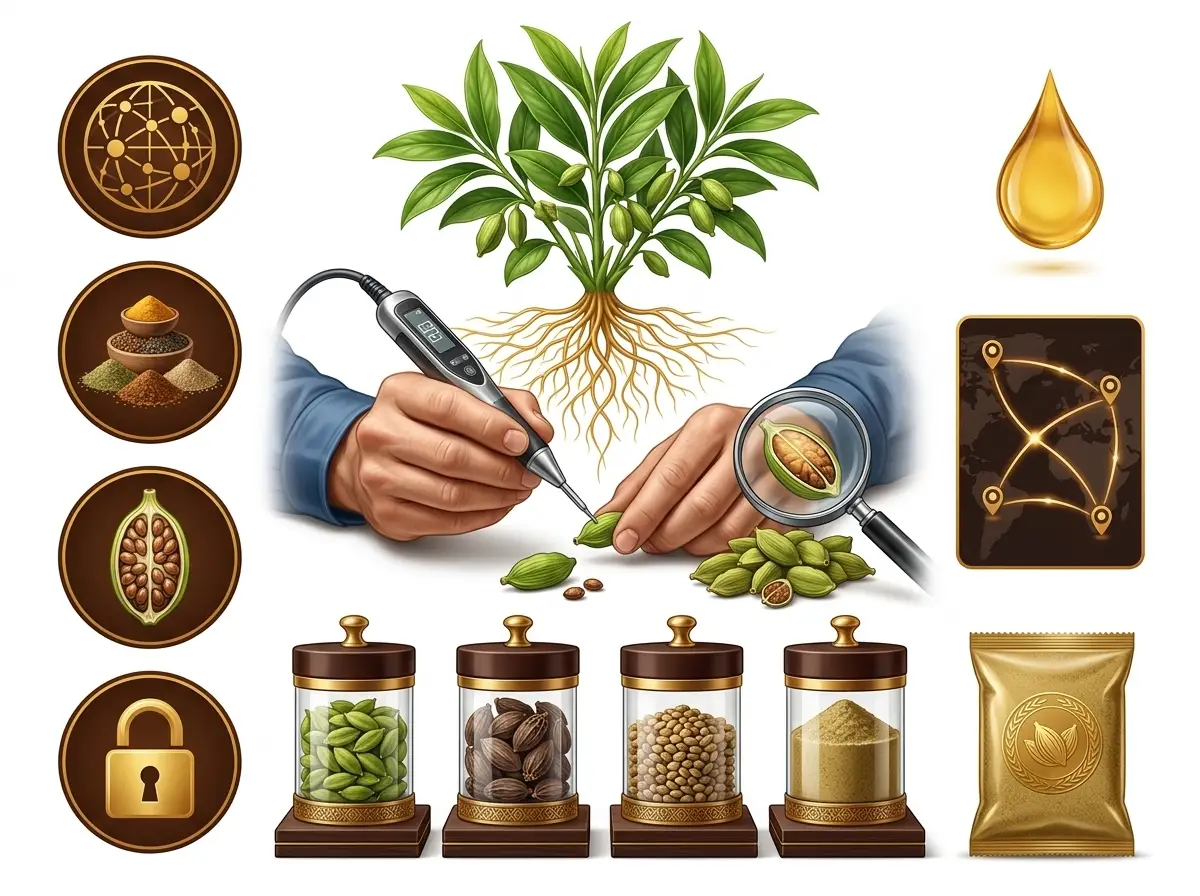
A bit of cardamom adds smell.
How We Make Our Traditional Panjeeri
Making panjeeri takes time. That’s why fewer people make it at home now.
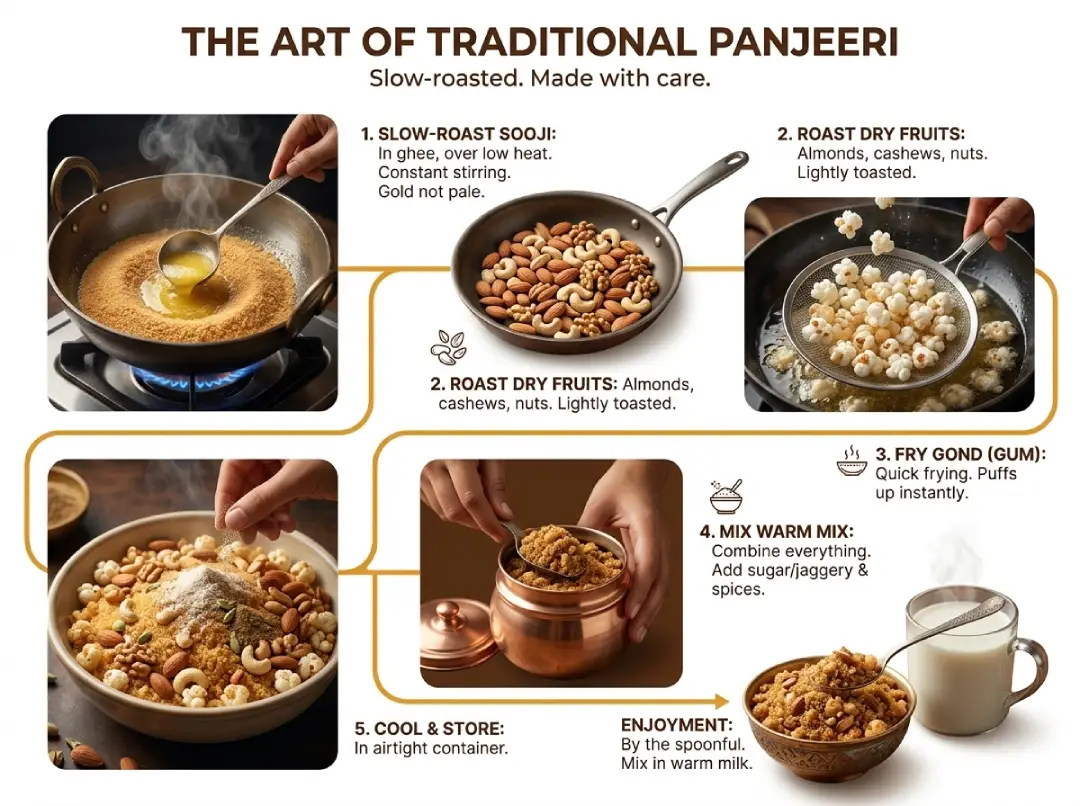
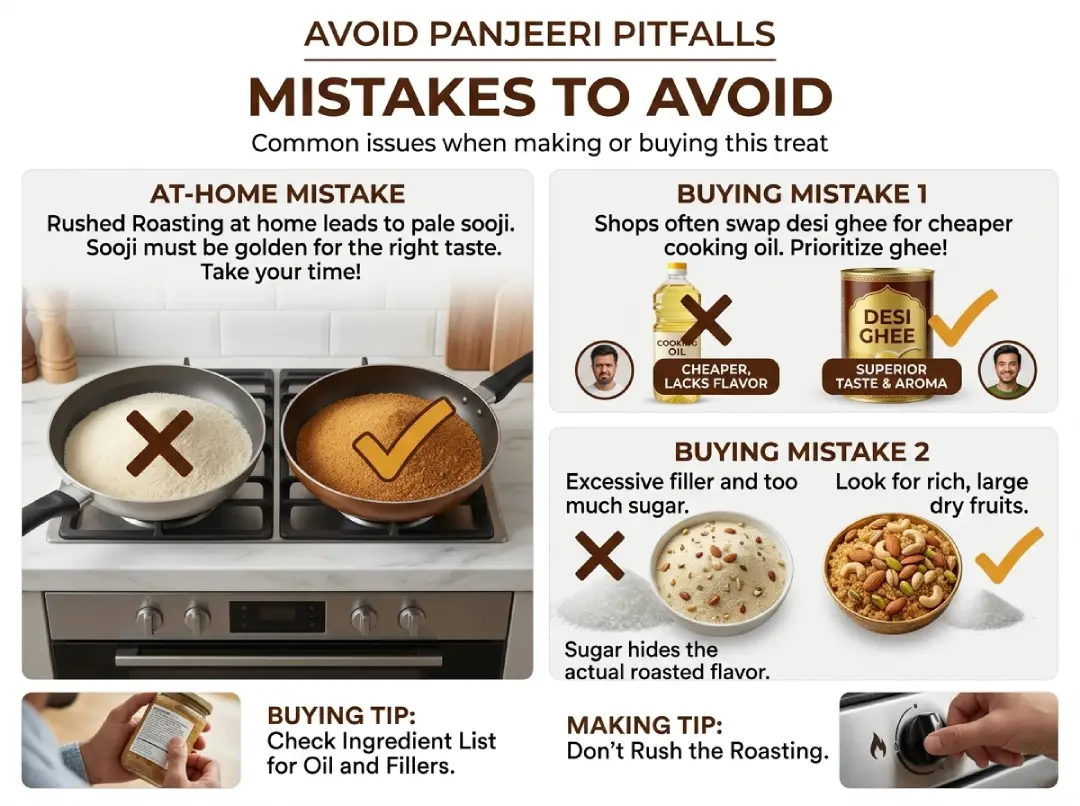
First, sooji gets roasted in ghee on low heat. You have to keep stirring so it doesn’t burn. This step alone can take a while. If you rush it, the sooji stays pale instead of turning golden.
Dry fruits get roasted separately, just lightly. Gond gets fried till it puffs up. This part needs quick hands, gond burns fast if you’re not watching.
Once everything is roasted, it all gets mixed together while still warm. Sugar or jaggery and spices go in at this point too. The mix cools down then goes into an airtight container. You eat it a spoonful at a time. Mix it into warm milk.
The whole process can take a hours. That’s why a lot of people just buy panjeeri of making it every winter.
Panjeeri vs Other Sweets
Panjeeri vs Halwa
1. Halwa is soft and moist.
2. It is usually eaten warm right after cooking.
3. Panjeeri is dry and crumbly.
4. Panjeeri is meant to last for weeks.
Panjeeri vs Laddu
1. Laddu is shaped into balls.
2. It is eaten like a snack.
3. Panjeeri is served loose and scooped from a jar.
The Main Difference
1. Most sweets are made for special occasions.
2. Panjeeri is more of a daily winter food.
Mistakes to Avoid
A few things go wrong often whether you’re making panjeeri or buying it.
Rushing the roasting is the mistake at home. Sooji that isn’t roasted enough won’t taste right. On the buying side a lot of shops use cooking oil instead of desi ghee. It’s cheaper. The taste is not the same. Some brands also use real dry fruit and more filler.. Some add too much sugar, which hides the actual roasted flavour.
Check the ingredient list before buying. If making it yourself just don’t rush the roasting.
What People Say About Health Benefits
Panjeeri has always been seen as an energy food, especially for winter and for new mothers after childbirth.
Ghee, nuts and seeds give an amount of energy and healthy fat.Almonds and pistachios add nutrients. Many people believe that Gond helps you stay warm during the winter. These are traditions passed down through families than medical facts. You should still talk to a doctor, about any health concerns.
Since panjeeri is heavy, in calories its usually eaten in amounts. A spoonful a day not a bowl.
Why Choose SM Desi Products
We make panjeeri the old way. Real desi ghee, real dry fruits, nothing fake mixed in.
Every batch is made the same way families have always done it. Sooji roasted properly. Gond fried right. Dry fruits added generously, not just a sprinkle on top. We don’t use cheap oil to save money. That would defeat the whole point of panjeeri.
We deliver across Pakistan, including small towns where good panjeeri is hard to find. If you have any question about ingredients, message us. A real person replies.
Benefits of Buying Ready-Made Panjeeri
Buying good panjeeri instead of making it saves you real time and effort.
You skip hours of roasting sooji and gond at home.
Quality stays consistent, since a proper commercial batch doesn’t vary the way a rushed homemade one might.
The taste stays traditional too, as long as real ghee and real dry fruits are used.
And it’s ready whenever you want it, no need to plan a whole cooking session.
How Ordering Works
Ordering from SM Desi Products is simple.
Pick a size from our website. Place your order and give us your city, address, and phone number. We pack it carefully so it stays fresh during delivery. It ships out and reaches you within the estimated time for your area.
Any questions before ordering? Just message us.